
If you’re eager to own a Jeep Wrangler, you’ve probably wondered: how long does it actually take to build one? Whether you’re dreaming about hitting Austin’s rugged trails or cruising city streets, knowing the time behind building this iconic vehicle gives you a glimpse into its craftsmanship and quality.
From the moment raw materials arrive to the final inspection, each step plays a vital role in shaping your Jeep. You’ll discover the key stages of the build process, what factors can speed things up or slow them down, and how long you might wait before your Wrangler rolls off the line.
Keep reading to get the full picture and make your Jeep ownership journey even more exciting.

Credit: www.thecarconnection.com
Jeep Wrangler Build Process
The Jeep Wrangler build process blends precision and toughness. Each Wrangler starts as raw materials shaped into a rugged vehicle. The process involves several key stages. These stages ensure quality and durability expected from Jeep.
From shaping metal to final assembly, every step matters. The build process includes stamping, welding, painting, and assembly. Each step adds strength and style to the Jeep Wrangler.
Stamping And Welding
The build begins with stamping large steel sheets. Machines press these sheets into body panels. This stage creates doors, hoods, and fenders. Robots then weld these panels together. Welding forms the vehicle’s strong frame. The process is highly automated. A Wrangler’s body can be stamped and welded quickly. This ensures a solid foundation for the next steps.
Painting And Finishing
After welding, the body moves to painting. First, it receives a protective coating. This prevents rust and corrosion. Then, color paint is sprayed evenly on the surface. Painting robots ensure a smooth, flawless finish. After painting, the body dries in special ovens. This step locks in the paint and protects the metal. Finishing touches include applying decals and trim. This stage gives the Wrangler its iconic look.
Assembly Line Steps
The painted body moves to the assembly line. Here, workers and machines add parts step by step. The engine, transmission, and suspension are installed first. Next, electrical systems and interior features are added. Seats, dashboards, and controls go in carefully. Each component is checked for proper fit and function. Final steps include installing tires and testing systems. The Wrangler is then ready for quality inspection. The assembly line process is efficient and detailed. This ensures every Jeep Wrangler meets high standards.
Typical Build Timeline
The typical build timeline for a Jeep Wrangler involves several precise steps. Each phase ensures the vehicle meets strict standards. Understanding these stages helps explain the overall production time. From body construction to final inspections, every process has its own pace. This timeline reflects the balance of speed and quality in Jeep manufacturing.
Body Construction Speed
The body of the Jeep Wrangler starts as flat metal sheets. Robots stamp and weld these sheets quickly. Advanced machines can build the body frame in under a minute. This stage is highly automated to maintain consistency. Despite the speed, the body must be strong and durable.
Assembly Duration
After the body is ready, assembly begins on the line. Workers install the engine, transmission, and other parts. Electrical systems and interiors are added carefully. This stage takes several hours to complete. Skilled technicians ensure each component fits perfectly. The assembly pace balances speed with attention to detail.
Quality Control Checks
Once assembled, the Jeep Wrangler undergoes thorough quality checks. Inspectors test safety features and mechanical functions. The vehicle may go through road tests to detect issues. Any defects found are fixed immediately. These checks add time but guarantee a reliable vehicle. Quality control is vital for Jeep’s strong reputation.
Factors Affecting Build Time
Building a Jeep Wrangler involves several steps that influence the total time required. Each factor plays a role in how quickly the vehicle moves from raw materials to a finished product. Understanding these factors helps explain why build times can vary. The main factors include automation level, vehicle complexity, and parts logistics.
Automation Level
Automation speeds up many stages of the Jeep Wrangler assembly. Robots handle welding, painting, and some assembly tasks. Higher automation means fewer delays and consistent quality. Less automation requires more manual work, which takes more time. Automated systems work faster and reduce human error.
Vehicle Complexity
The Jeep Wrangler offers many options and trims. More complex models with extra features take longer to build. Special parts and customizations require extra attention on the assembly line. Simple models move through faster. Complexity affects the number of steps and checks during production.
Parts Logistics
Parts availability greatly affects build time. Delays in shipping or quality issues can slow production. Factories must coordinate many suppliers for timely delivery. Smooth logistics keep the assembly line moving without interruptions. Problems in parts supply cause waiting and longer build times.
Jeep Wrangler Model Variations
The Jeep Wrangler comes in various models, each with unique build times. These variations affect how long it takes to assemble the vehicle. Understanding model differences helps set realistic expectations for buyers and enthusiasts.
The Wrangler’s design and features have evolved over the years. This evolution changes the complexity and duration of the build process. Some models require more assembly steps, while others benefit from streamlined production.
Jk Vs Jl Build Differences
The JK and JL are two popular Wrangler generations. JK models were produced from 2007 to 2018, while JL started in 2018. The JL features updated technology and materials, which affect build time.
JL Wranglers often take longer to build than JKs. This is due to enhanced electronics and safety features. The newer design includes more complex wiring and assembly steps.
JK builds are simpler, with fewer electronic components. This simplicity speeds up production. JL’s modern features increase the time required on the assembly line.
Rubicon Build Time
The Rubicon is a more rugged Wrangler trim. It includes heavy-duty parts designed for off-road use. These extra components extend the build time compared to standard models.
Adding features like locking differentials and rock rails requires additional assembly work. This means Rubicon models spend more time in the factory. Their specialized parts demand careful installation and testing.
Rubicon builds usually take several hours longer than base Wranglers. The extra time ensures quality and durability for tough terrains.
Impact Of Optional Features
Optional features significantly affect Wrangler build times. Extras like advanced audio systems, upgraded seats, and special paint add assembly steps. Each feature needs precise installation and quality checks.
Customization options increase the complexity of the build. Factories must adjust workflows to accommodate varied orders. This variation can add hours or even days to the process.
Simple Wranglers with few options build faster. Models with many add-ons require more time and attention from workers. Optional features make each Wrangler unique but slower to produce.
Tracking Your Jeep Build
Tracking your Jeep Wrangler build is an exciting part of the ownership journey. It helps you stay informed about each step. Knowing the status reduces waiting anxiety. You can prepare for delivery day with confidence. Several tools and timelines make this process clear and simple.
Official Order Tracking Tools
Jeep provides official tracking tools for your vehicle order. These tools show the current stage of your build. You can see if your Jeep is in production, shipping, or at the dealer. Tracking updates come directly from Jeep’s factory systems. This ensures accurate and timely information. Accessing these tools usually requires your order number or VIN. This system helps you follow your Jeep’s progress easily.
Estimated Delivery Times
Estimated delivery times depend on several factors. Factory schedules, options selected, and shipping routes all affect timing. Typically, building a Jeep Wrangler takes a few weeks. Shipping and dealer preparation add more days to the total wait. Weather or supply issues can cause delays. Jeep often provides an estimated delivery window to help plan. This window narrows as your vehicle moves closer to completion.
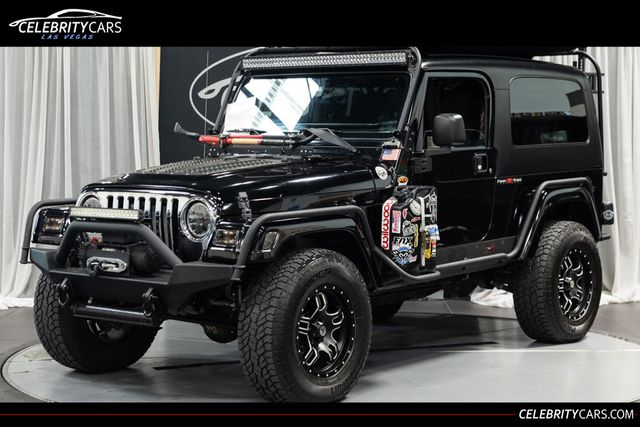
Credit: www.celebritycars.com
Common Production Challenges
Building a Jeep Wrangler involves several steps, but common production challenges can slow the process. These challenges affect how long it takes to complete each vehicle. Understanding these issues helps explain the timeline for building a Jeep Wrangler.
Electrical System Issues
Electrical problems are frequent during Jeep Wrangler production. Wiring harnesses must fit perfectly to avoid faults. Errors in the Totally Integrated Power Module (TIPM) cause delays. These issues lead to extra testing and fixes before assembly continues. Electrical faults can stop the line until resolved.
Assembly Line Delays
Assembly lines face delays from part shortages or equipment problems. A missing part can pause production for hours or days. Equipment breakdowns also slow the building process. Workers must wait for repairs or replacement parts. These delays add to the overall build time of each Jeep.
Quality Control Hurdles
Every Jeep Wrangler undergoes strict quality checks. Inspectors look for paint flaws, alignment issues, and mechanical problems. If a defect appears, the vehicle returns for rework. This step ensures Jeep meets safety and durability standards. Quality control issues lengthen the production schedule but improve final quality.
Comparisons With Other Vehicles
Understanding how long it takes to build a Jeep Wrangler becomes clearer by comparing it to other vehicles. Build times vary widely depending on the brand, model, and manufacturing process. Each automaker uses different methods, affecting production speed and quality. Examining these differences helps highlight the unique aspects of Jeep Wrangler production.
Toyota Build Times
Toyota is known for efficient manufacturing. Most Toyota cars take about 17 to 24 hours to assemble. Their assembly lines use advanced automation and lean manufacturing. This speeds up the process while maintaining quality. Toyota’s focus on streamlined operations allows rapid production without compromising safety or performance.
Mini Build Timeline
Mini vehicles have a different build timeline. Their production often takes 20 to 30 hours. Mini assembly involves more manual work due to customization options. This adds time but lets customers personalize their cars. The balance between handcrafting and automation shapes the Mini build duration.
Industry Automation Trends
Automation is changing vehicle production globally. Robots handle welding, painting, and assembly tasks faster and more precisely. This reduces human error and build time. Many factories now use smart technology to track parts and optimize workflow. Automation lowers costs and improves consistency across brands, including Jeep.
Tips For Buyers
Buying a Jeep Wrangler means more than just picking a model. Certain tips help you choose wisely. These tips save time and avoid future problems. Focus on key points that affect your satisfaction and investment.
Knowing which years are best, avoiding common issues, and weighing new versus used options guides your choice. This section covers these important areas.
Best Years To Choose
Some Jeep Wrangler years stand out for reliability and features. Models from 2012 to 2017 (JK generation) offer solid performance with fewer issues. The 2018 and newer JL models bring updated technology and design improvements.
Avoid early models of new generations to skip initial bugs. Research specific years for recalls or known problems. Choosing the right year helps reduce maintenance costs and ensures a better driving experience.
Avoiding Known Issues
Certain Jeep Wranglers face common problems like the “death wobble,” a steering vibration issue. This mostly affects JK models, especially older ones. Electrical problems appeared in 2008 due to faulty power modules.
Check for recalls on airbags and fire risks in 2010 models. Inspect suspension parts and steering components carefully. A thorough inspection before buying avoids costly repairs later.
New Vs Used Wrangler
New Jeep Wranglers come with full warranties and the latest features. They cost more but require less immediate maintenance. Used Wranglers offer savings but may need repairs sooner.
Balance budget with risk tolerance. A certified pre-owned Wrangler can offer a middle ground, providing some warranty coverage and a lower price. Decide based on your needs and how soon you want to drive.

Credit: vehicles.ridefox.com
Frequently Asked Questions
How Long Does It Take To Build A Vehicle On The Assembly Line?
Building a vehicle on an assembly line typically takes between 17 to 35 hours. Automation and vehicle complexity affect this time. Highly automated factories can produce bodies in under a minute, but full assembly requires additional steps like painting, parts installation, and quality checks.
Can I Track My Jeep Being Built?
Yes, you can track your Jeep’s build status online through Jeep’s official vehicle order tracking system.
Are Jeeps Built Strong?
Jeeps are built strong with rugged frames and durable materials. They excel in off-road conditions and tough environments. Their sturdy construction ensures long-lasting reliability and performance. Many drivers trust Jeeps for durability, making them popular for adventure and daily use alike.
What Year To Stay Away From A Jeep Wrangler?
Avoid 2008 Jeep Wrangler due to faulty TIPM causing electrical issues. Also, skip 2010 models with high recall risks like airbags and fire hazards. These years often face “death wobble” and suspension problems. Choose later JK or early JL models for better reliability.
Conclusion
Building a Jeep Wrangler involves many steps and factors. Assembly line automation speeds up the process greatly. Still, waiting for parts and quality checks add time. On average, it takes a few days to build one. Custom options or complex features may extend this period.
Understanding these timelines helps set realistic expectations. Whether buying or just curious, now you know how long it takes. The Jeep Wrangler’s build time reflects its quality and ruggedness.